Express Plumbing plumbing guide · August 31, 2026
Hybrid Electric Water Heaters: How They Work and How They Save on Electric Bills
Learn how hybrid electric water heaters work, how they compare with traditional electric tanks, and why lower day-to-day energy use can make them a smart long-term investment for Connecticut homeowners.
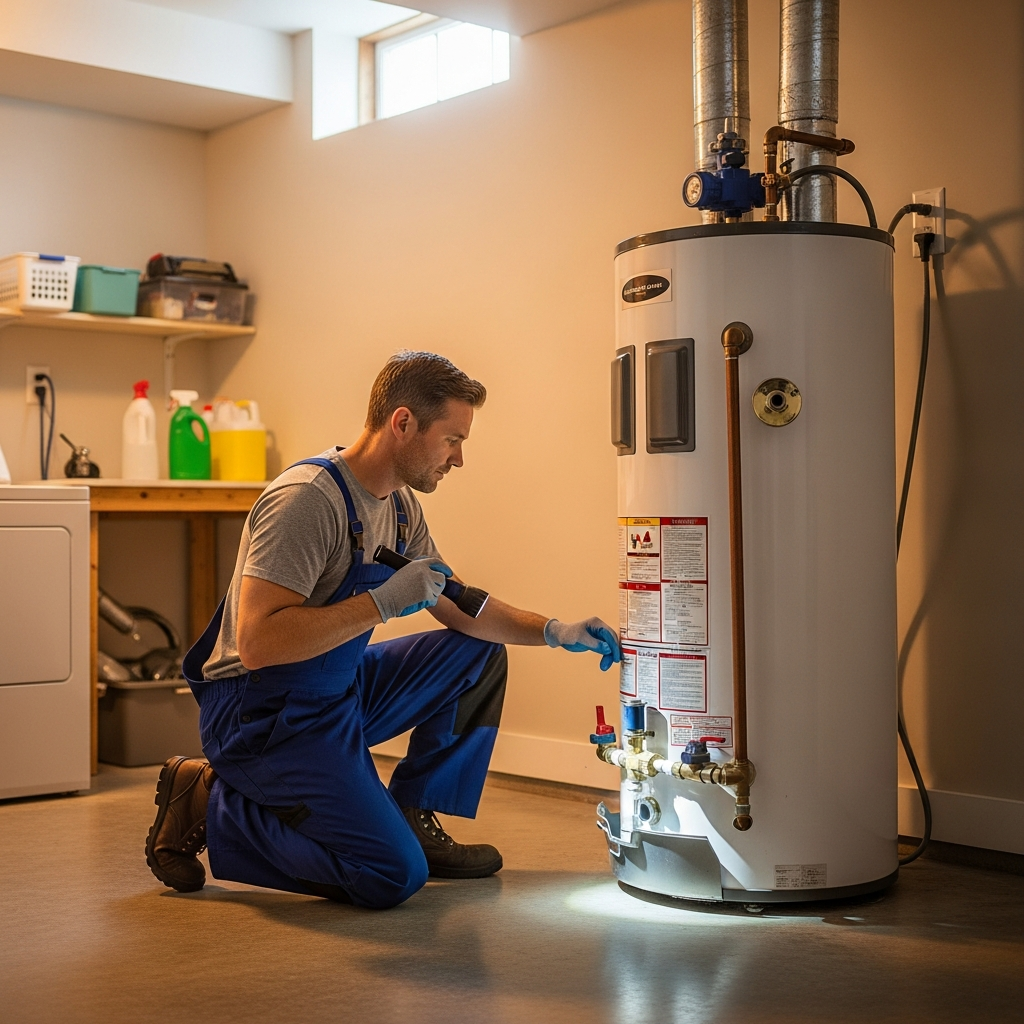
A water heater is one of the hardest-working appliances in a home. If your current tank is nearing the end of its life or your electric bills keep climbing, you may be looking at more efficient options. One choice worth understanding is a hybrid electric water heater, also called a heat pump water heater.
What is a hybrid electric water heater?
A hybrid electric water heater stores hot water in a tank, just like a traditional electric model. The difference is how it normally heats that water. Instead of relying only on electric resistance elements, a hybrid unit uses a heat pump to pull available heat from the surrounding air and transfer it into the tank.
The unit still has electric heating elements available when demand is high. That combination is why it is called hybrid: the heat pump handles much of the everyday work, while electric resistance heat provides extra recovery when your household needs it.
How is it different from a traditional electric water heater?
A traditional electric tank heats water with resistance elements. It is a familiar, straightforward design, but resistance heating uses electricity directly to create heat. A hybrid unit uses electricity to move heat from the air, which can deliver the same hot-water comfort with less electricity during normal operation.
That distinction shows up over time: the traditional tank can continue drawing more electricity each time it reheats, while a hybrid water heater can use its more efficient heat-pump mode for much of the demand. The exact difference depends on hot-water usage, household size, temperature settings, utility rates, and the space where the unit is installed.
The long-term electric-bill benefit
The biggest advantage of a hybrid water heater is not a lower purchase price. It is the opportunity to reduce the energy used to make hot water month after month. Because the heat pump moves existing heat rather than creating all of the heat through resistance, it can use substantially less electricity for the same everyday hot-water needs.
That makes a hybrid water heater an upfront investment for long-term savings on electric bills. Homeowners who use a lot of hot water may see the greatest benefit, but every home is different. A qualified evaluation can compare your current usage, utility rates, available space, and expected operating pattern instead of promising a one-size-fits-all savings figure.
Other benefits homeowners notice
- **Multiple operating modes:** Most units offer an efficient heat-pump mode, a hybrid mode for changing demand, and electric-only options when faster recovery is needed.
- **Reliable hot-water storage:** You still have a tank of hot water available for showers, laundry, dishes, and other daily needs.
- **Less wasted energy:** The heat-pump system is designed to make the most of the energy it consumes during normal cycles.
- **Useful dehumidification:** In the right basement or utility-room setting, the unit can cool and dehumidify the surrounding air as it operates.
- **Better visibility into usage:** Many modern models include controls that make it easier to select an operating mode and monitor performance.
Where does a hybrid water heater work best?
Hybrid units need a suitable location with enough surrounding air and clearance for the heat pump to operate properly. A basement, utility room, or other conditioned space may be a good fit, but placement matters. The unit can release cooler air while running, so it should not be placed where that cooling would create a comfort problem.
It is also important to consider the plumbing connections, condensate management, electrical service, tank size, and access for future maintenance. A professional can determine whether your existing location is a good match and identify any changes before the installation is scheduled.
Maintenance and lifespan considerations
Like any water heater, a hybrid model needs routine attention. Keeping the air filter clean, checking the condensate path, inspecting connections, and following the manufacturer’s maintenance guidance help the heat pump work efficiently. Periodic professional service can also catch water leaks, mineral buildup, or operating issues before they become larger problems.
Water quality and household demand matter too. Homes with hard water may need a more thoughtful maintenance plan, and a larger household may need a different tank capacity or operating strategy than a smaller one.
Is a hybrid electric water heater right for your home?
A hybrid water heater may be a strong choice when you want to lower ongoing electric use, have an appropriate installation space, and plan to stay in the home long enough to benefit from the operating savings. A traditional electric tank may still fit homes with limited space, unusual demand patterns, or other site constraints.
The right decision should account for more than the initial investment. Compare expected electric use, comfort, available space, maintenance, and the long-term cost of operating the system. Express Plumbing can help you review the options and choose a water-heating setup that fits your home and your goals.